
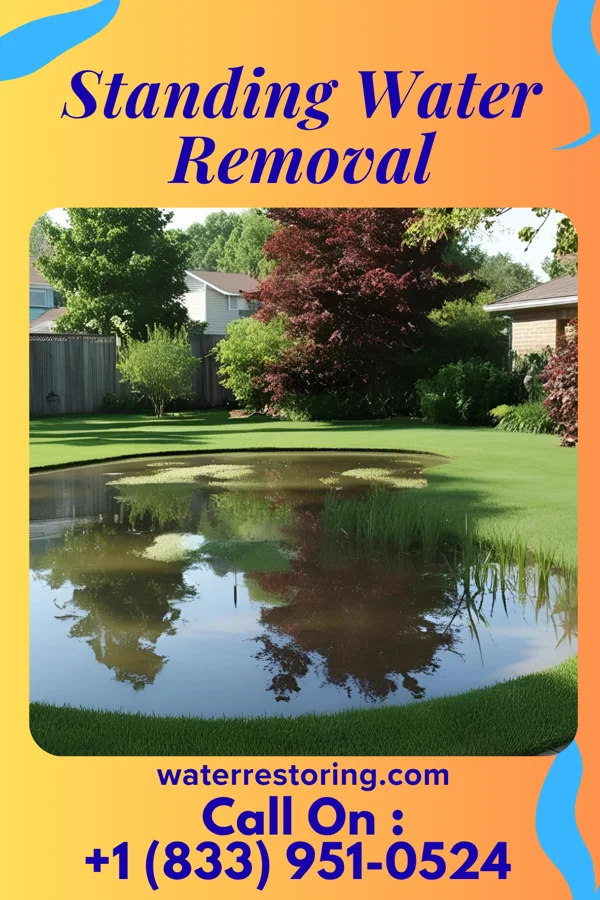
Standing Water Across St. Helena Neighborhoods
Every neighborhood in St. Helena has a different water damage risk profile. The one that shows up on most restoration calls is In St. Helena, Nebraska, the primary water damage cause is often due to sudden plumbing failures, such as burst pipes or leaking water heaters, which can quickly lead to significant water intrusion in residential properties. Additionally, heavy rainfall during the spring and early summer months can overwhelm drainage systems, leading to localized flooding in low-lying areas.. A close second is Secondary causes include sewer backups from nearby towns like Wynot and Bow Valley, as well as groundwater seepage into basements of older homes in neighborhoods like Gayville. Poorly maintained gutters and downspouts also contribute to water damage in the area..
St. Helena experiences a semi-arid climate with cold winters and warm summers, which can lead to frozen pipes in the winter and sudden heavy downpours in the spring. These conditions increase the risk of water damage, especially in homes with older plumbing systems.
Water damage in St. Helena follows a few local patterns. In St. Helena, Nebraska, the primary water damage cause is often due to sudden plumbing failures, such as burst pipes or leaking water heaters, which can quickly lead to significant water intrusion in residential properties. Additionally, heavy rainfall during the spring and early summer months can overwhelm drainage systems, leading to localized flooding in low-lying areas. accounts for the bulk of our calls. St. Helena experiences a semi-arid climate with cold winters and warm summers, which can lead to frozen pipes in the winter and sudden heavy downpours in the spring. These conditions increase the risk of water damage, especially in homes with older plumbing systems. Mold growth in St. Helena can occur rapidly due to the region's fluctuating temperatures and humidity levels, particularly in homes with poor ventilation. Prompt water damage restoration is crucial to prevent long-term mold issues and health risks.